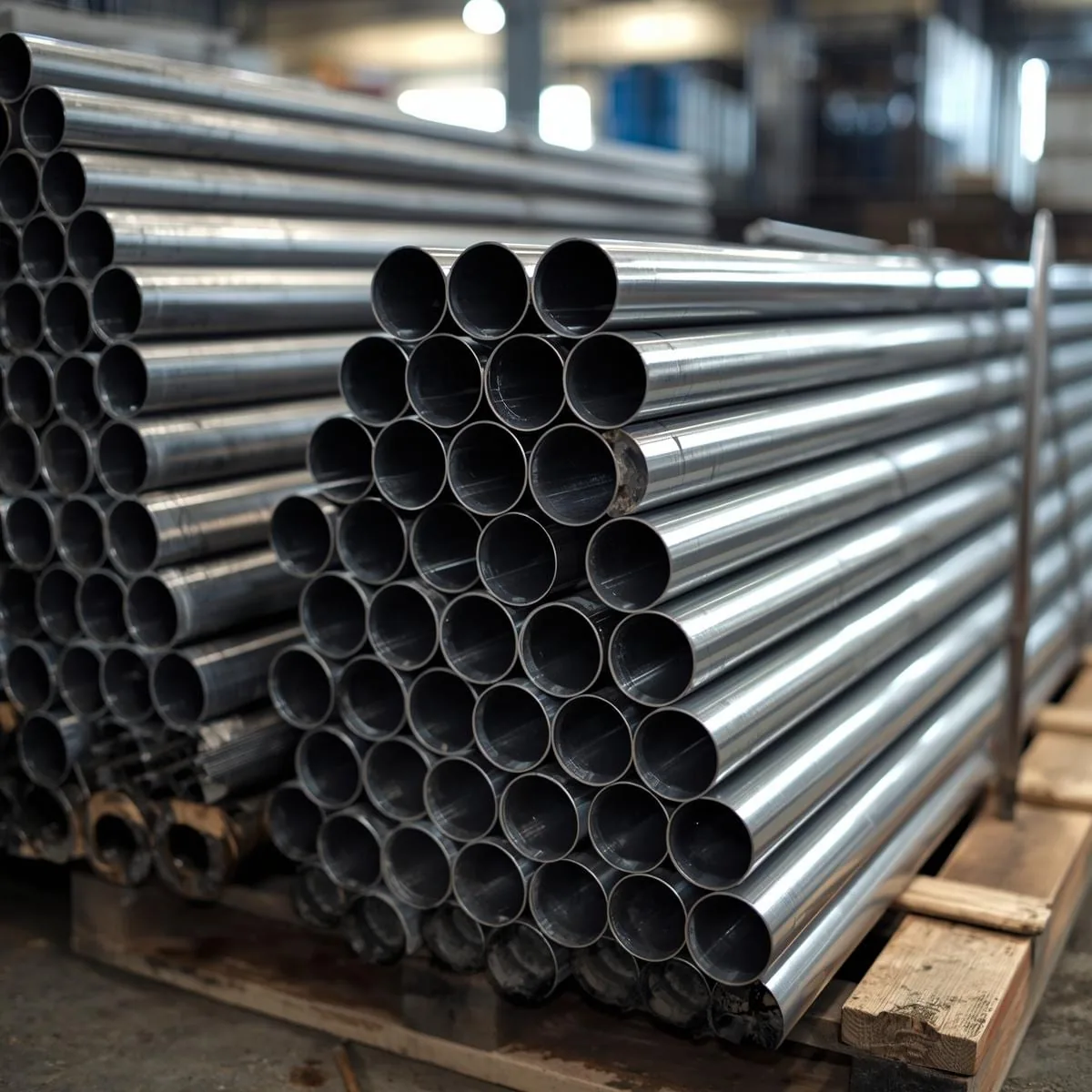
Cobalt Alloy Tube for High-Temperature, Corrosive, and Reliability-Critical Industrial Service
Table of Contents:
Why critical tubes fail before design life
In many plants, tube failure does not begin with a dramatic burst. It often starts with oxidation scaling, hot corrosion, sulfidation, creep damage, loss of ductility after long thermal exposure, or weld-zone instability in sections exposed to aggressive temperature cycles.
That is exactly where cobalt-based high-performance alloys enter the conversation. Grades such as HAYNES® 188 alloy and HAYNES® 25 alloy were developed to retain strength at elevated temperature while resisting oxidizing and sulfidizing environments that challenge many conventional heat-resistant materials.
For industrial buyers comparing materials before purchase, cobalt alloy tube is not simply a premium option; it is often a risk-management material chosen where uptime, safety margin, and predictable service life matter more than lowest first cost.
Cobalt alloy tube generally refers to tube manufactured from cobalt-based superalloys designed for elevated temperature strength, oxidation resistance, hot corrosion resistance, and reliable fabrication in demanding service conditions.
In industrial and engineered applications, two of the most recognized cobalt alloy families are UNS R30188, commonly known as Alloy 188, and UNS R30605, commonly known as Alloy 25 or L605.
These alloys typically combine cobalt with chromium, tungsten, nickel, and controlled additions of carbon, manganese, silicon, and other elements to deliver a balance of hot strength and environmental resistance that standard stainless steel cannot usually match.